MEV extraction is moving on-chain, and it's reshaping how block builders compete
Encrypted mempools, intent-based architectures, and order flow auctions are cutting off the information edge that let searchers extract value from ordinary trades.
Latest articles on AI, technology, and software development.

Encrypted mempools, intent-based architectures, and order flow auctions are cutting off the information edge that let searchers extract value from ordinary trades.

Tether and Circle together hold more than $160 billion in US Treasury securities, ranking above South Korea, Germany, and Saudi Arabia. A 2025 law turned stablecoin reserves into a mandatory Treasury-buying machine.

Visa, Mastercard, and JPMorgan aren't fighting stablecoins anymore — they're running billions of dollars through them. The infrastructure fight for the next decade of payments is already underway.

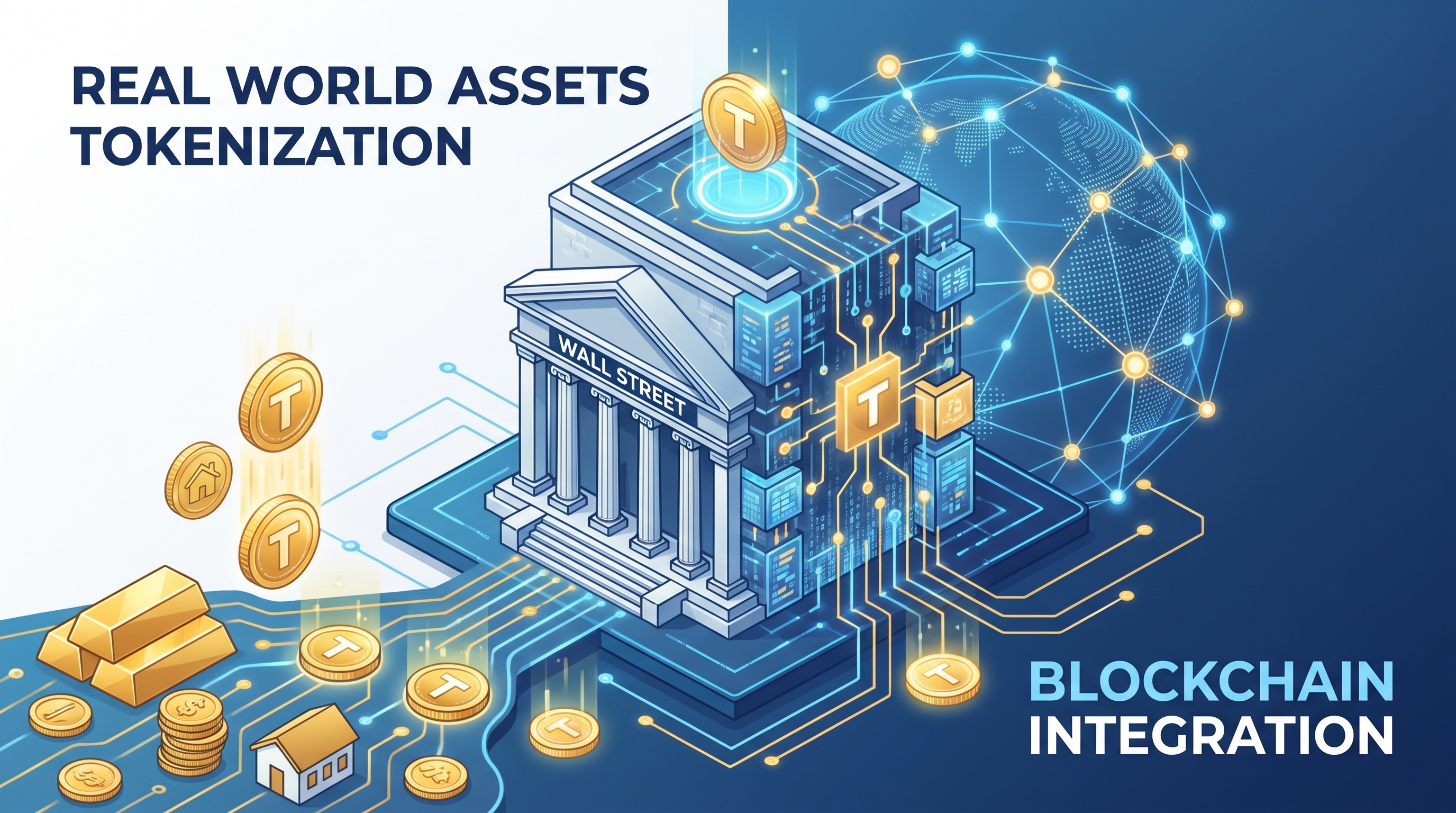
On-chain tokenized Treasuries and other real-world assets have grown more than tenfold since 2024. The winners aren't crypto-native startups -- they're the same asset managers who already run trillions in traditional funds.

IBIT options open interest hit $27.6 billion in April 2026, surpassing Deribit's offshore dominance. The real story isn't the milestone — it's what options-driven price discovery means for anyone still trading Bitcoin like it's 2021.

Kalshi's data now powers ChatGPT search results and Meta has held deal talks — but the same platforms are fighting state regulators over unlicensed gambling claims and struggling to contain paid election-doubt campaigns.

The GENIUS Act bans stablecoins from paying yield directly, but Circle and Coinbase have kept a balance-based rewards pipeline alive — and a new OCC rule is written specifically to shut it down.

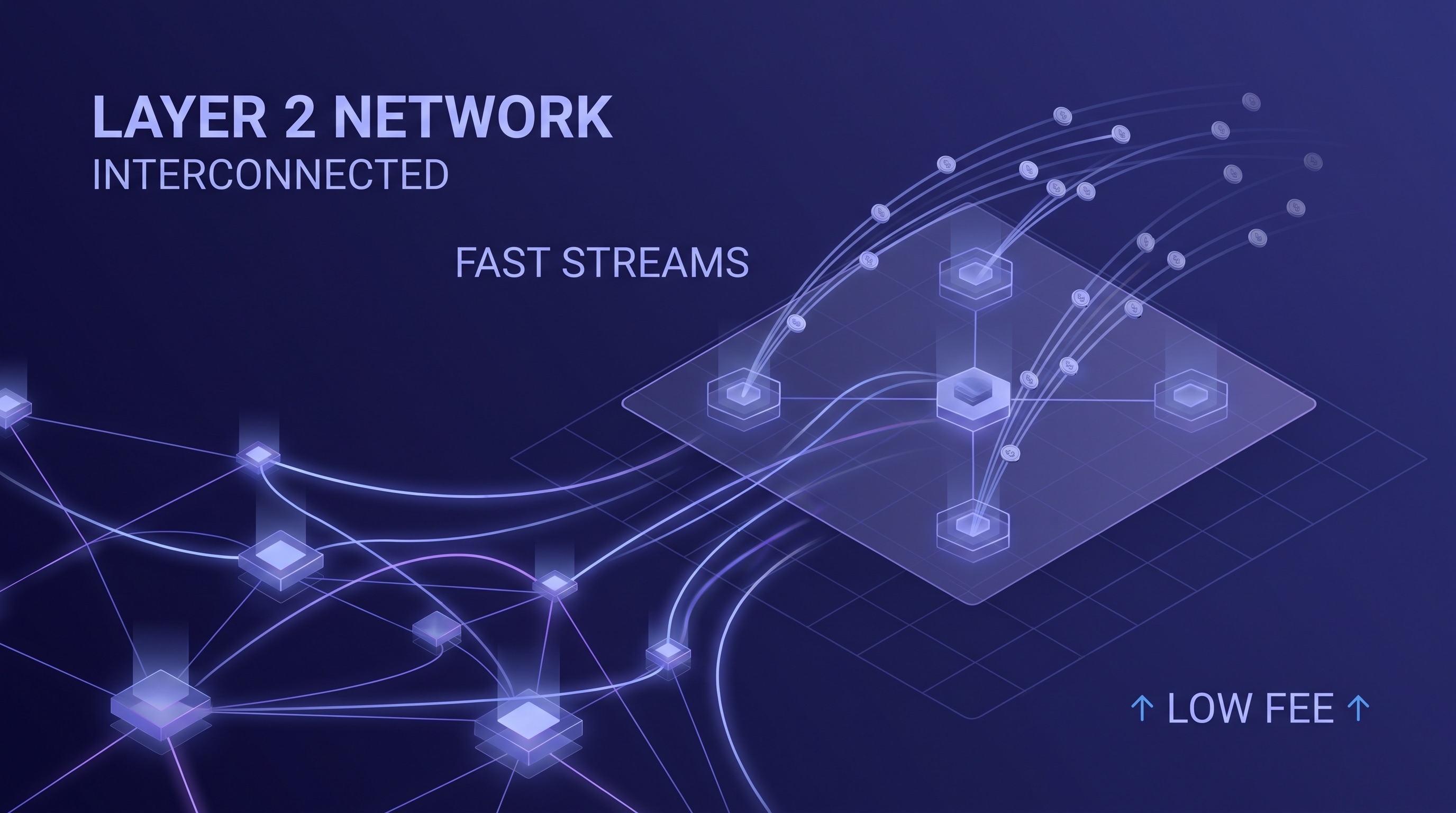
Simple transfers on Arbitrum, Optimism, and Base now cost fractions of a cent. That's not a temporary subsidy — it's the result of Ethereum's Dencun upgrade reshaping the economics of the entire rollup ecosystem, and it's changing who actually uses these chains.

Tokenized real-world assets crossed $32 billion in on-chain value in 2026, with BlackRock, JPMorgan, and Franklin Templeton all active. This is not crypto chasing institutional approval — it is institutions solving real settlement and liquidity problems with blockchain infrastructure.

The US finally has a federal stablecoin law. The GENIUS Act doesn't kill stablecoins — it legitimizes the ones that can afford compliance and quietly forces out the rest. Here's what the framework actually requires and what it means for USDC, Tether, and the next wave of digital dollar issuers.

EIP-7702 shipped in May 2025 with Ethereum's Pectra upgrade. Within the first week, 11,000 authorizations appeared on-chain. MetaMask, Coinbase Wallet, and Trust Wallet all support it. But the biggest user-experience shift from this upgrade is still rolling out.

As of mid-2026, Ethereum's Layer 2 ecosystem has crossed a historic threshold: L2 networks collectively handle more transactions per day than Bitcoin, Solana, BNB Chain, Tron, and every other independent blockchain put together. Here's what's driving it and what it means for the future of decentralized infrastructure.