Anti-cheat kernel drivers have become PC gaming's biggest attack surface
Kernel-level anti-cheat gives publishers the visibility to catch cheaters, but 2026 has produced a steady stream of vulnerabilities proving that Ring 0 access cuts both ways.
Latest articles on AI, technology, and software development.

Kernel-level anti-cheat gives publishers the visibility to catch cheaters, but 2026 has produced a steady stream of vulnerabilities proving that Ring 0 access cuts both ways.

The market is on track for $17 billion in revenue in 2026, but the two biggest platforms are getting there by capping usage and bundling into existing subscriptions — not by winning gamers over to streaming as a standalone product.

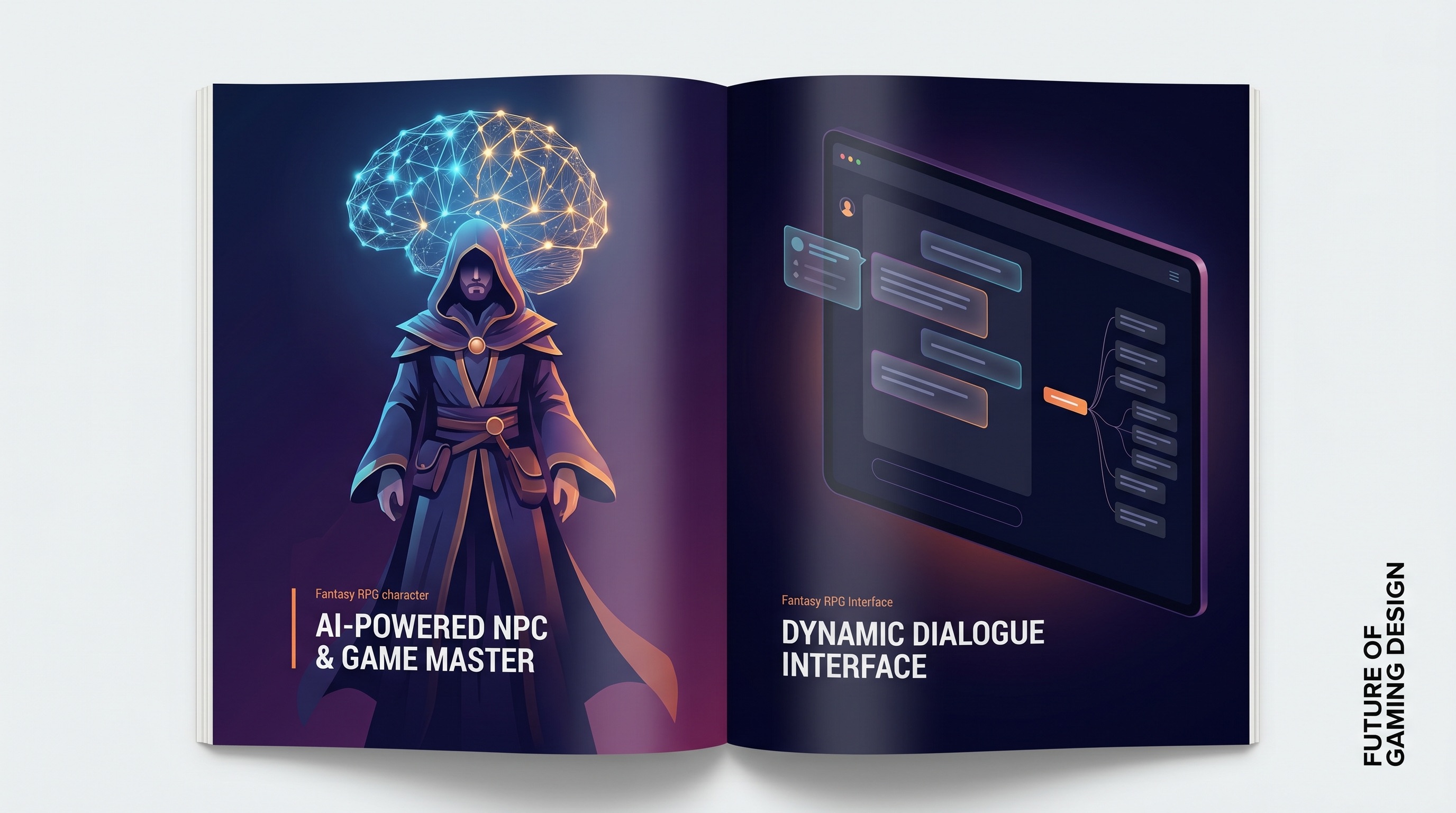
62% of new RPG and adventure games now feature AI-powered NPCs, up from just 8% in 2024. But most of that adoption is AI-assisted writing locked in at build time, not live runtime generation — and the gap between those two approaches is the entire story.

DLSS 4.5 and FSR4 have both moved to transformer-based machine learning models this year, and the resulting jump in image quality now outweighs what a straight silicon upgrade delivers. That has quietly rewritten what "upgrading your GPU" actually means.

Generative AI now touches roughly one in five new Steam releases. But the games that get caught using it undisclosed are losing awards, refunding sales, and watching their Steam scores crater — and developer sentiment on AI is falling, not rising.

1.29 million EU citizens signed a petition demanding publishers keep purchased games playable after shutdown. The European Commission said no binding law is coming — here's what that means for your game library and what actually happens next.

Nvidia's April 2026 update lets GeForce NOW subscribers stream games they already own through Xbox Game Pass or Ubisoft+ without repurchasing anything — a small feature with outsized implications for how gaming subscriptions will work going forward.

Steam Deck, ROG Ally, and Legion Go turned a niche hardware category into a real market. But the numbers reveal something more interesting than a hit product: a structural shift in where and how people actually play games.

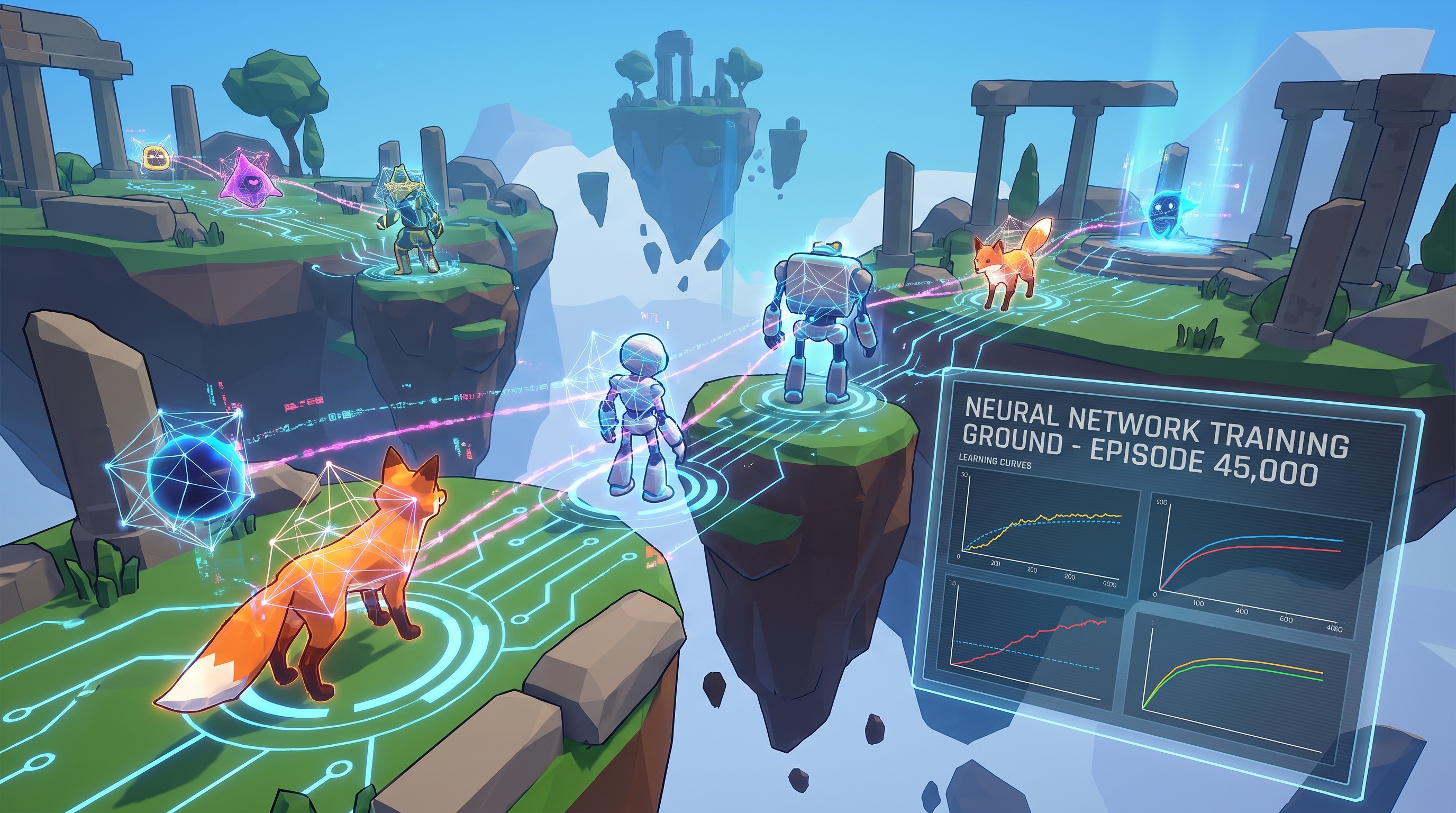
A $320 million funding round for General Intuition signals a broader shift: game engines are no longer just for making games. They have become the preferred simulation environment for training AI agents that will eventually operate in the real world.

Language models are replacing dialogue trees with characters that can respond to anything a player says. The infrastructure is ready. What game designers are still figuring out is how to make infinite conversation worth having.

Steam has over 60,000 games and adds 14,000 more each year. The median release earns under $2,000. Here is what separates the handful of successes from the long tail: discovery algorithm mechanics, genre selection, engine choices, and a disciplined 18-month launch playbook.

After the 2023 Runtime Fee disaster drove developers to Godot and Unreal, Unity spent two years rewriting its pricing, leadership, and roadmap. Here is what actually changed — and what hasn't.