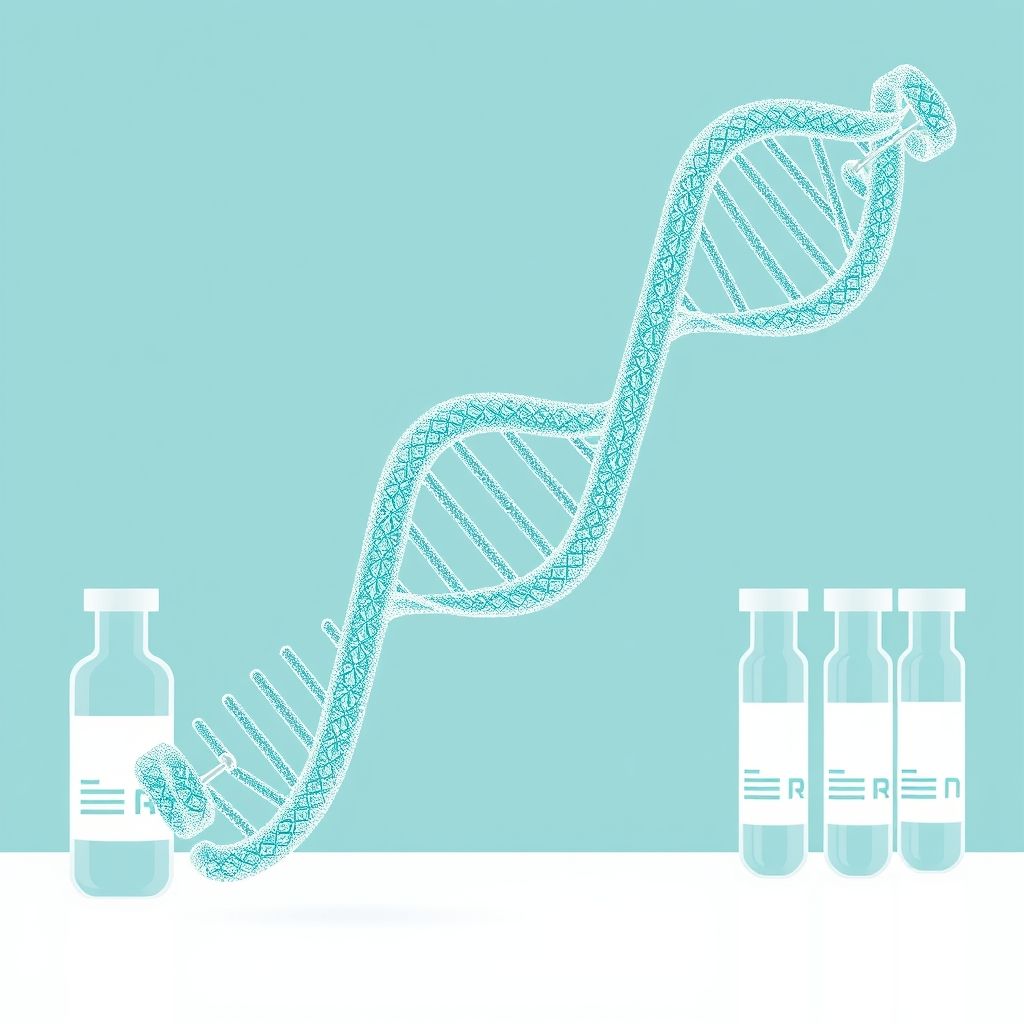
Base editing is quietly outperforming CRISPR cut-and-paste in the clinic
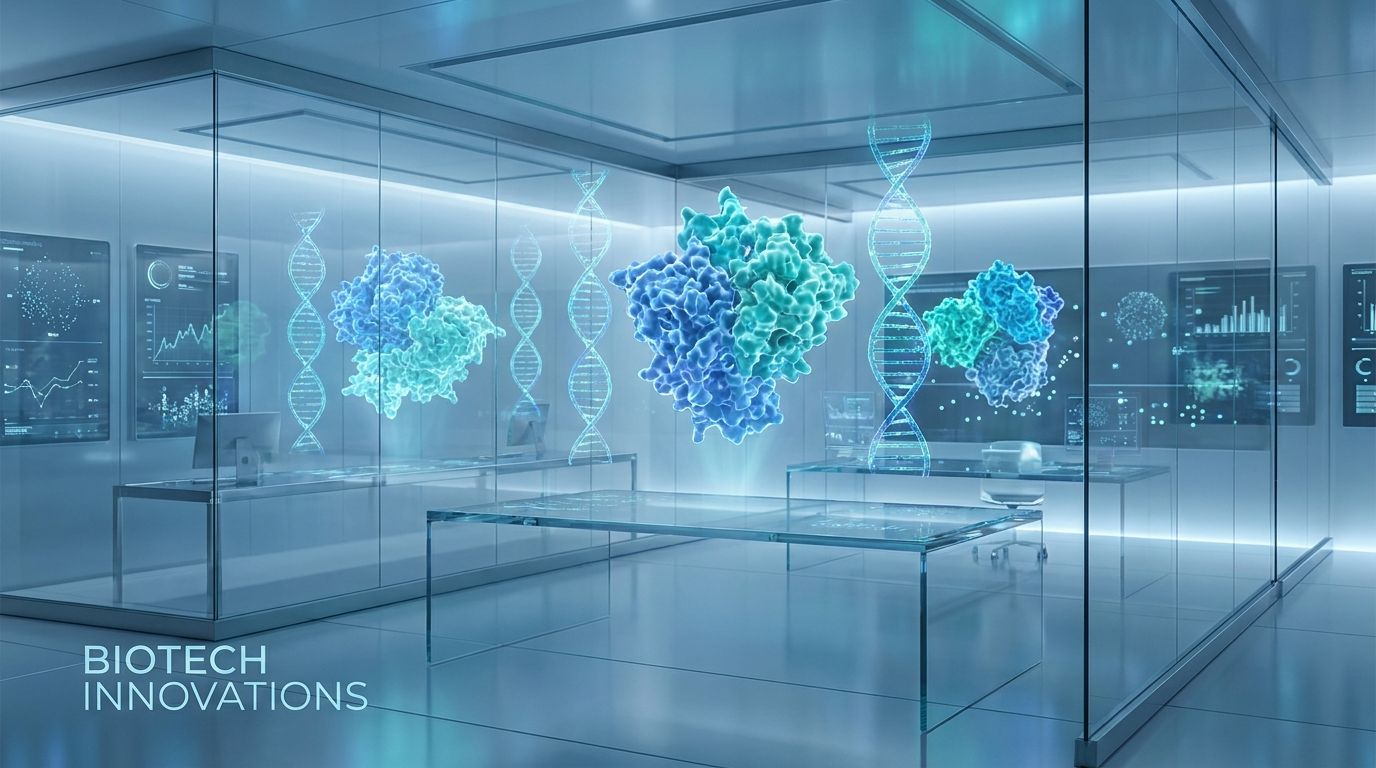
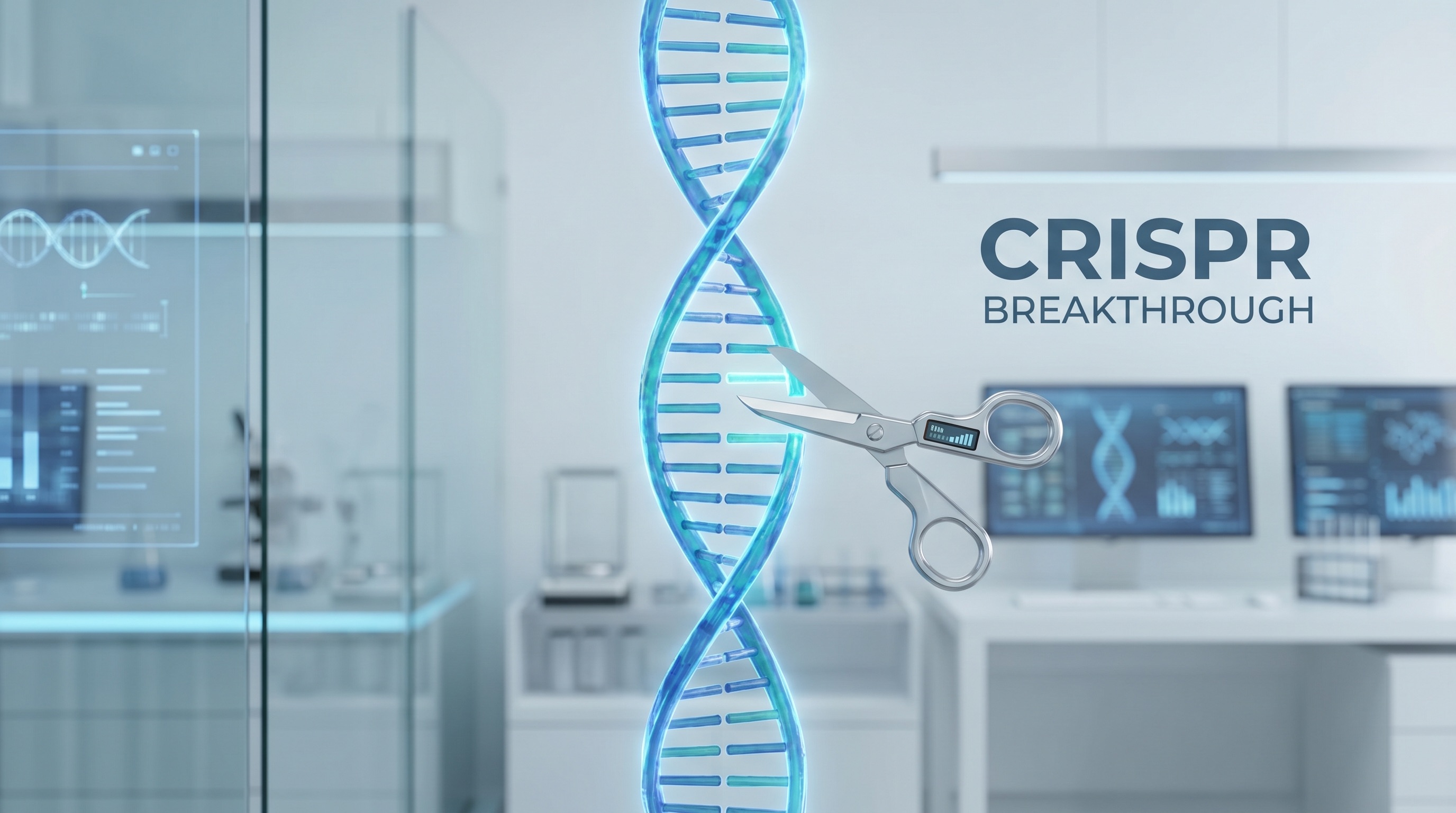
Beam Therapeutics and Eli Lilly's Verve program are posting Phase 1/2 results that avoid the double-strand break problem which has slowed first-generation CRISPR therapies.
Latest articles on AI, technology, and software development.

Beam Therapeutics and Eli Lilly's Verve program are posting Phase 1/2 results that avoid the double-strand break problem which has slowed first-generation CRISPR therapies.

More than 173 AI-originated drug programs are now in clinical development, up from 67 in 2023, with Insilico Medicine's Phase III fibrosis candidate leading a field analysts expect to see its first approval within two years.

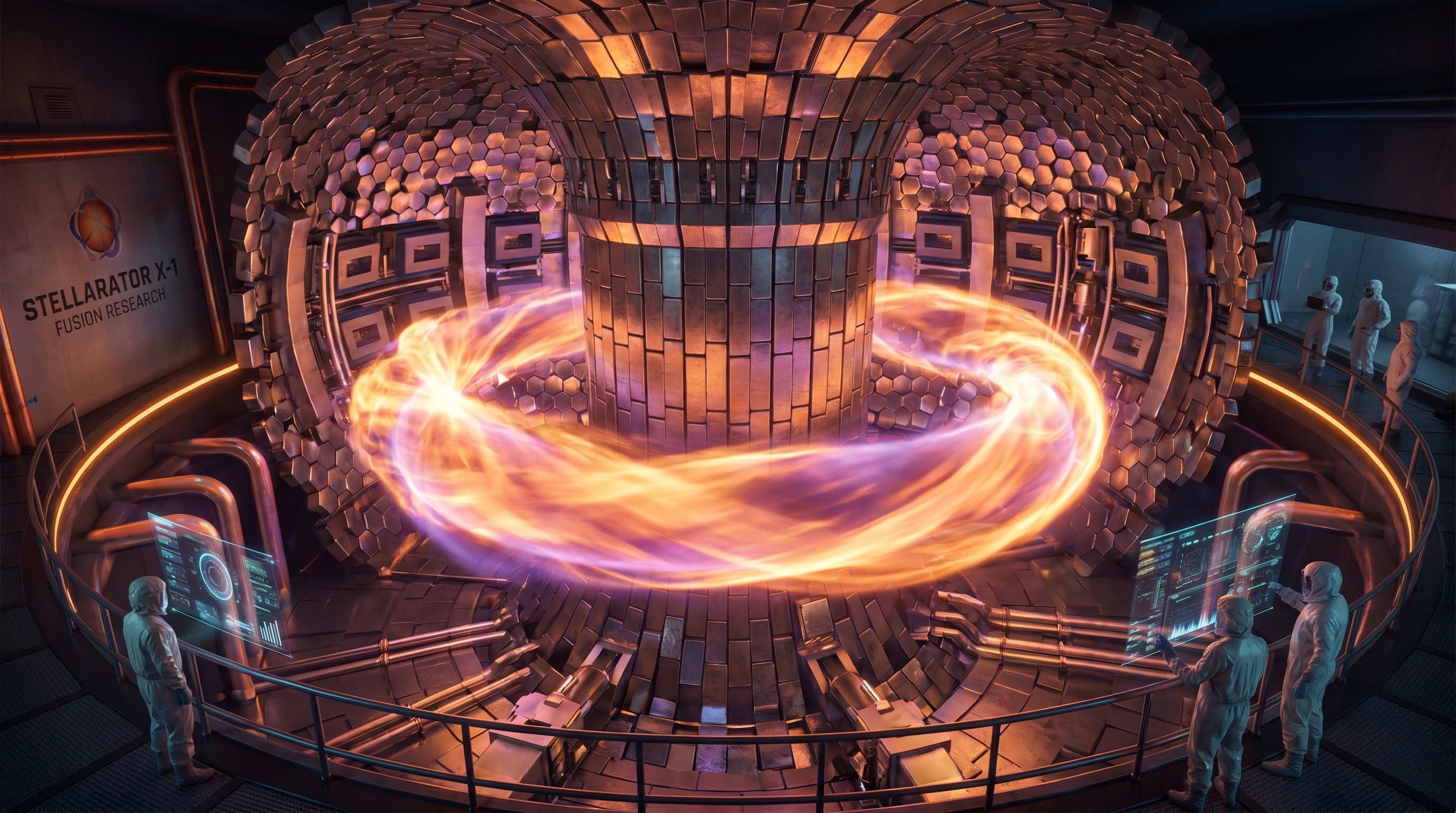
Commonwealth Fusion, Helion, and TAE have raised billions and hit real engineering milestones in 2026, but no private fusion plant is within twelve months of actually delivering electricity.

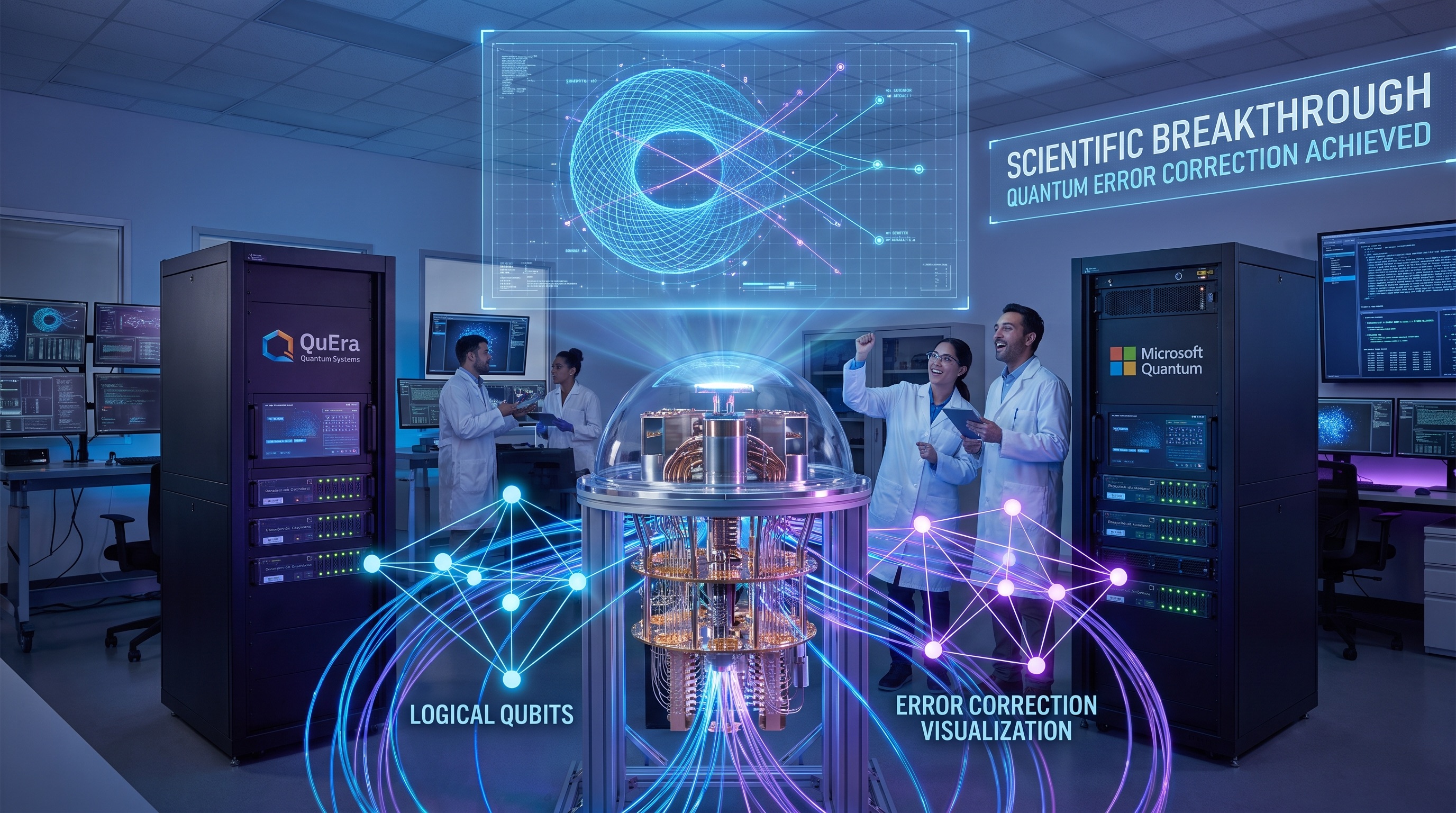
Multiple labs are now reporting dozens of error-corrected logical qubits instead of raw physical qubit counts — a sign the field has moved from proving error correction works to engineering it at scale.

The SuperC consortium used machine-learning pre-screening to identify two previously unknown superconductors in weeks instead of years. The real breakthrough isn't the materials — it's a search method that could work through billions of candidates.

AI has already proven it can speed up drug discovery. What it hasn't proven is that AI-designed molecules perform better in patients — and 2026's Phase 2 and 3 readouts are the first large-scale test.

Quantum computing has moved from physics labs into commercial use in 2026, but only for a specific set of problems. Here is an honest breakdown of where quantum delivers, where it falls short, and what organizations should do about it.

For the first time, error-corrected quantum computers are shipping to customers. Microsoft and QuEra delivered real machines in 2026 — not simulators, not demos. Here's what that milestone actually means.

The National Ignition Facility achieved scientific ignition in 2022 and has improved since. Private fusion startups have raised over $7 billion. But Q>1 in a lab is very different from electricity on the grid — here is the honest timeline.

Casgevy's FDA approval for sickle cell disease proved that CRISPR gene editing works as medicine. Now the field faces harder problems: manufacturing at scale, in-vivo delivery to tissues beyond the liver, and pricing structures that determine who actually benefits.

Google's Willow chip demonstrated below-threshold quantum error correction in December 2024 — the point where adding more physical qubits actually reduces logical error rates. Here's what that means for fault-tolerant computing timelines, cryptography, and your organization's security posture.

Three well-funded private fusion companies have crossed engineering milestones that were unthinkable a decade ago — here is a hard look at what each has actually built, what remains unproven, and when the grid might see the first fusion electrons.