AI meeting note-takers have become the default in enterprise video calls
What began as a transcription add-on is now the primary record of enterprise meetings, reshaping how teams track decisions, action items, and follow-ups.
Latest articles on AI, technology, and software development.

What began as a transcription add-on is now the primary record of enterprise meetings, reshaping how teams track decisions, action items, and follow-ups.

27.7% of enterprises now have employees running agentic browsers like ChatGPT Atlas in production — and the prompt injection risk that comes with them is still largely unsolved.

Gartner's prediction that most agentic AI initiatives will fail isn't about model capability. It's about companies automating broken processes and calling it transformation.

Gartner's 2026 data shows a massive gap between how many enterprise applications now embed AI agents and how many of those agents actually run reliably in production — and the reasons why reveal what's actually hard about agentic AI.

Anthropic's Model Context Protocol has become the de facto standard for connecting AI models to external tools and data in under two years — and its adoption by OpenAI, Google, and hundreds of developer teams signals a fundamental shift in how AI integrations are built.

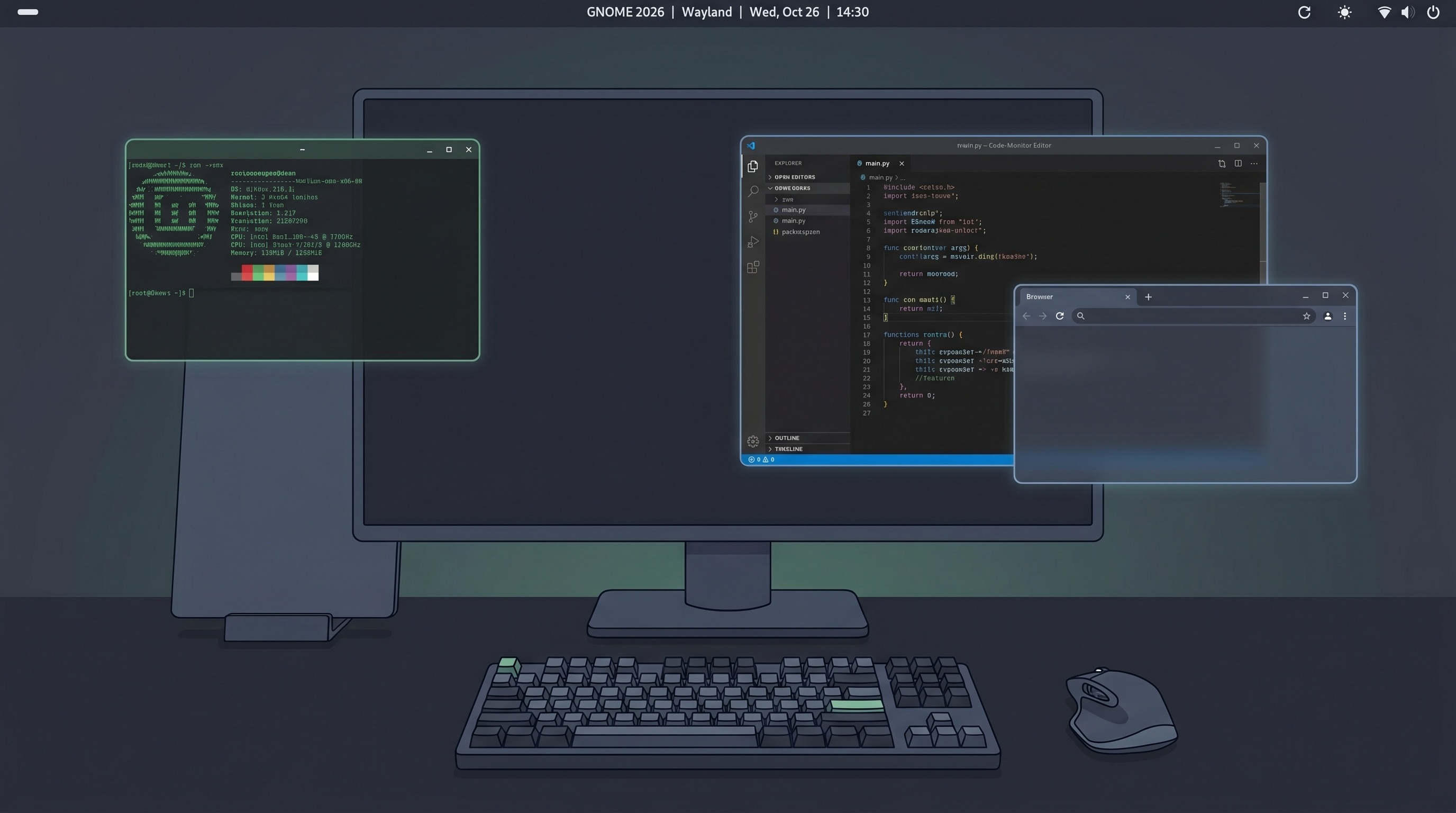
Wayland is now the default on every major distribution. GNOME 48 shipped major usability improvements. NVIDIA open-sourced its drivers. And gaming on Linux via Proton has become genuinely good. The Linux desktop is no longer a project to root for — it is a working environment.

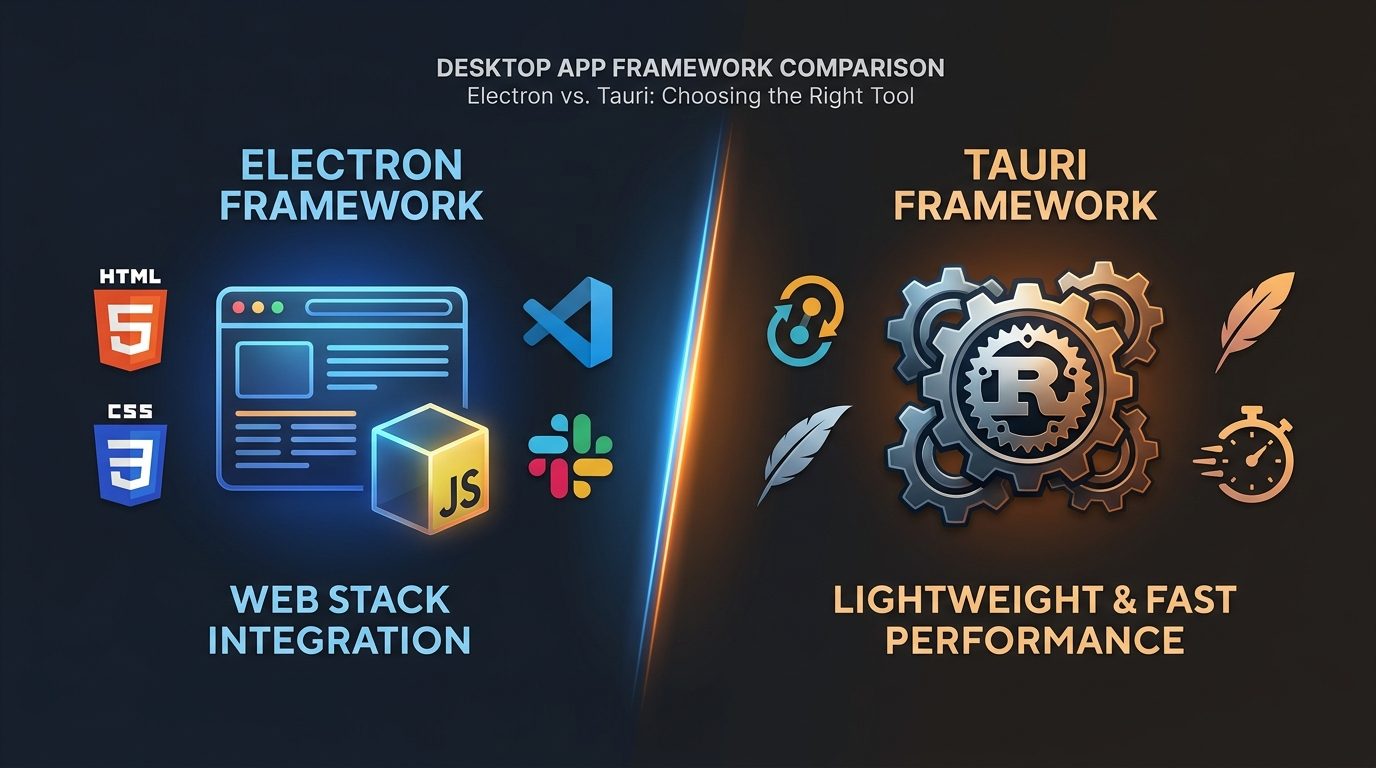
Electron has powered desktop apps like VS Code and Slack for over a decade, but Tauri's tiny binaries, Rust backend, and new mobile support are making developers reconsider. Here is a direct comparison to help you choose the right tool for your next project.

For decades, SQLite was treated as the database you use when you can't use a 'real' database. That mental model is wrong, and the infrastructure built around it in the last few years has made it genuinely competitive for a wide range of production workloads.

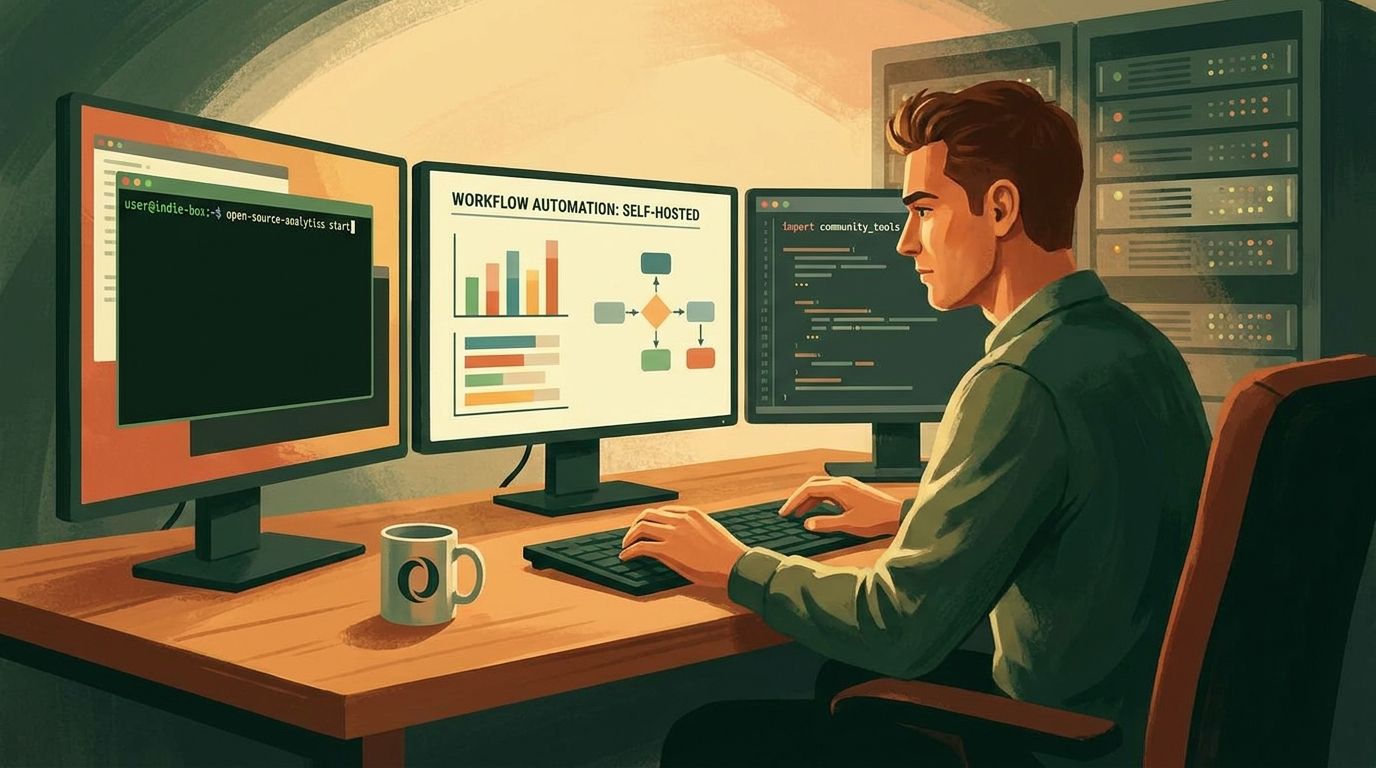
The 2024–2026 generation of open-source developer tools has closed the gap with managed SaaS on features, stability, and deployment ease. Here's what's actually worth running yourself — and what still isn't.

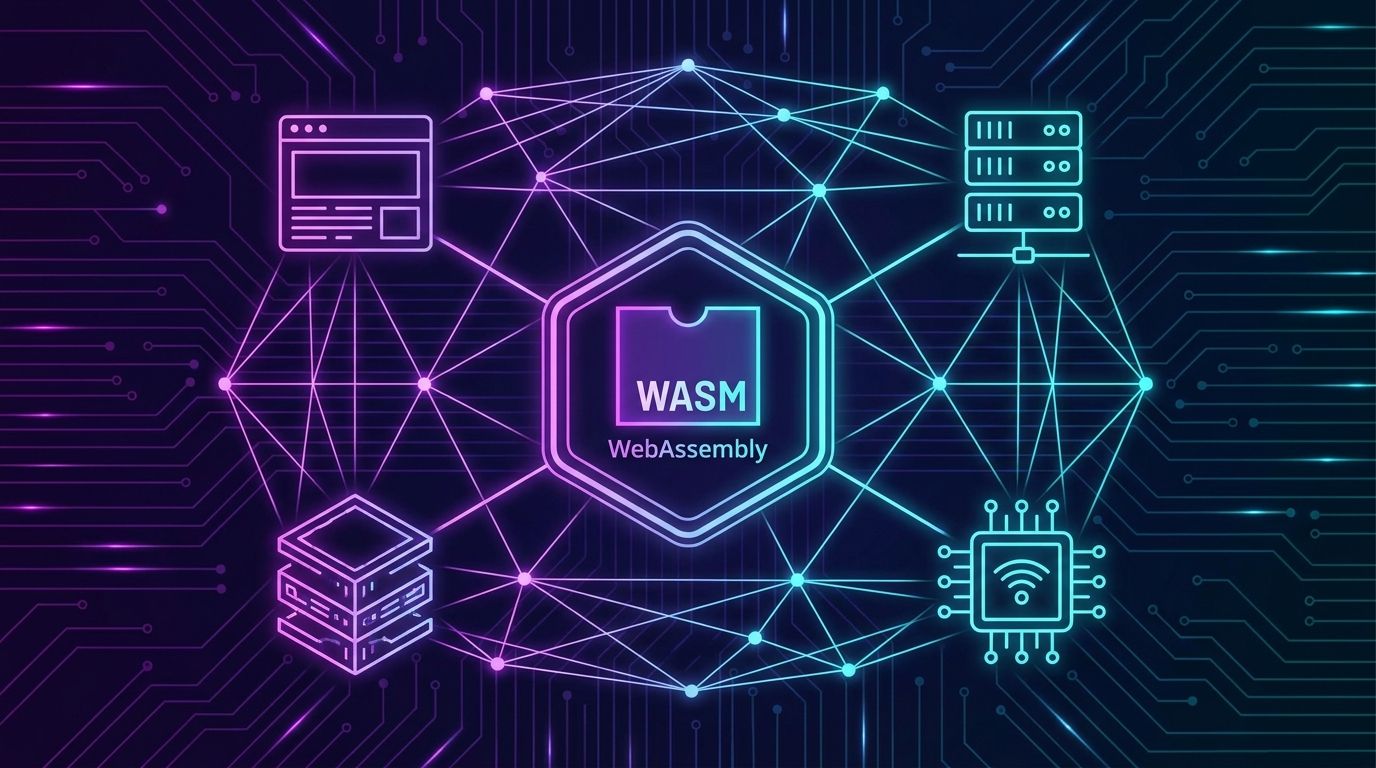
WebAssembly launched as a way to run near-native code in browsers. In 2026, it's running at the edge, inside databases, as a plugin system in dozens of applications, and as the foundation for portable CLIs that run identically on any operating system. The story of how a browser technology became a universal compute substrate is worth understanding.

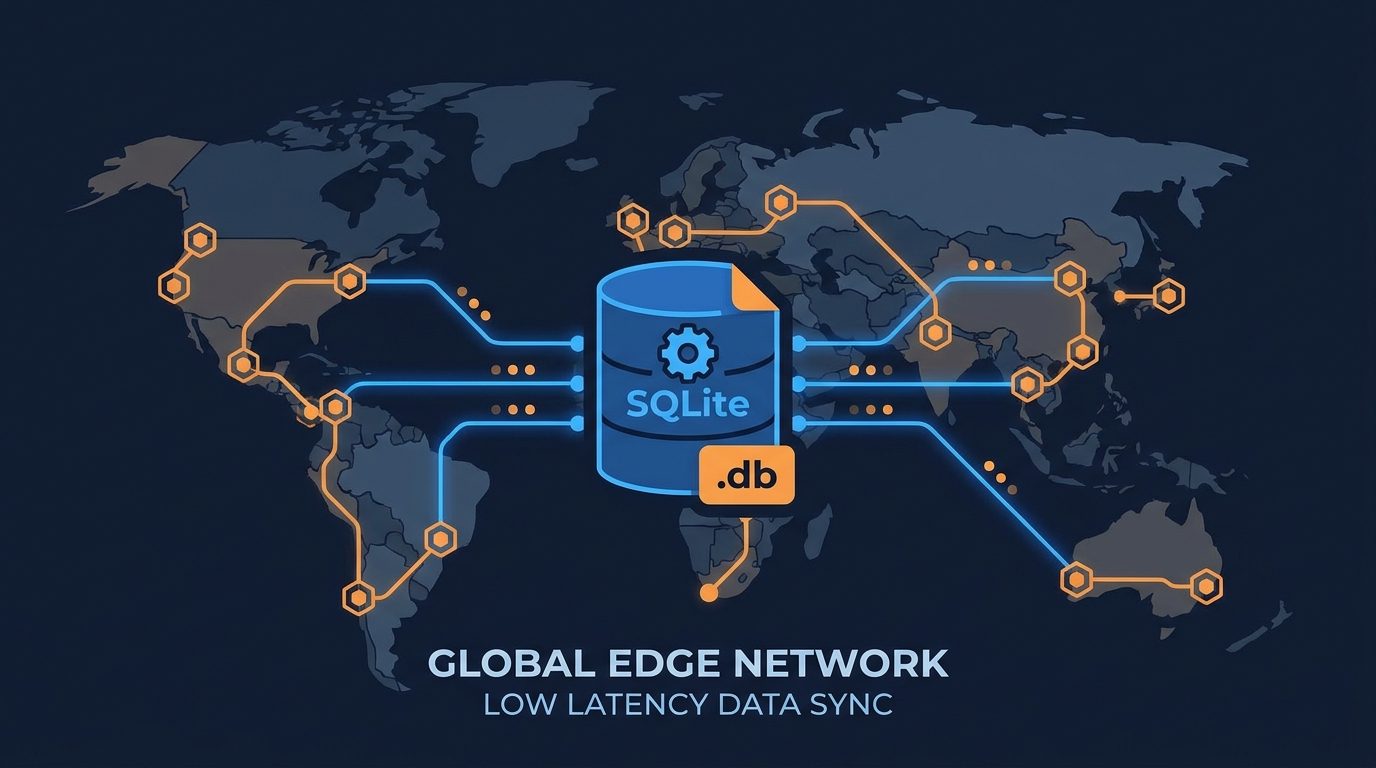
A new generation of edge-native databases puts SQL close to users, not just close to your application server. The performance case is compelling. The tradeoffs in consistency and tooling are real.

SQLite runs on over a trillion devices — every iPhone, every Android phone, Firefox, Chrome, VLC. In 2026, it has moved beyond mobile and embedded to power Cloudflare D1, Turso, and the local-first web apps redefining how developers think about data. Here is why the simplest database in the world has become one of the most consequential.