On-device AI models are finally good enough to skip the cloud round-trip
Sub-20ms local inference versus 200-500ms cloud round-trips is changing what phones can do offline — and quietly resolving one of AI's biggest privacy complaints.

Sub-20ms local inference versus 200-500ms cloud round-trips is changing what phones can do offline — and quietly resolving one of AI's biggest privacy complaints.

Hyperscalers now carry $1.65 trillion in off-balance-sheet AI infrastructure debt — more than their combined reported liabilities. Oracle's credit rating shows what happens when the bet goes wrong.

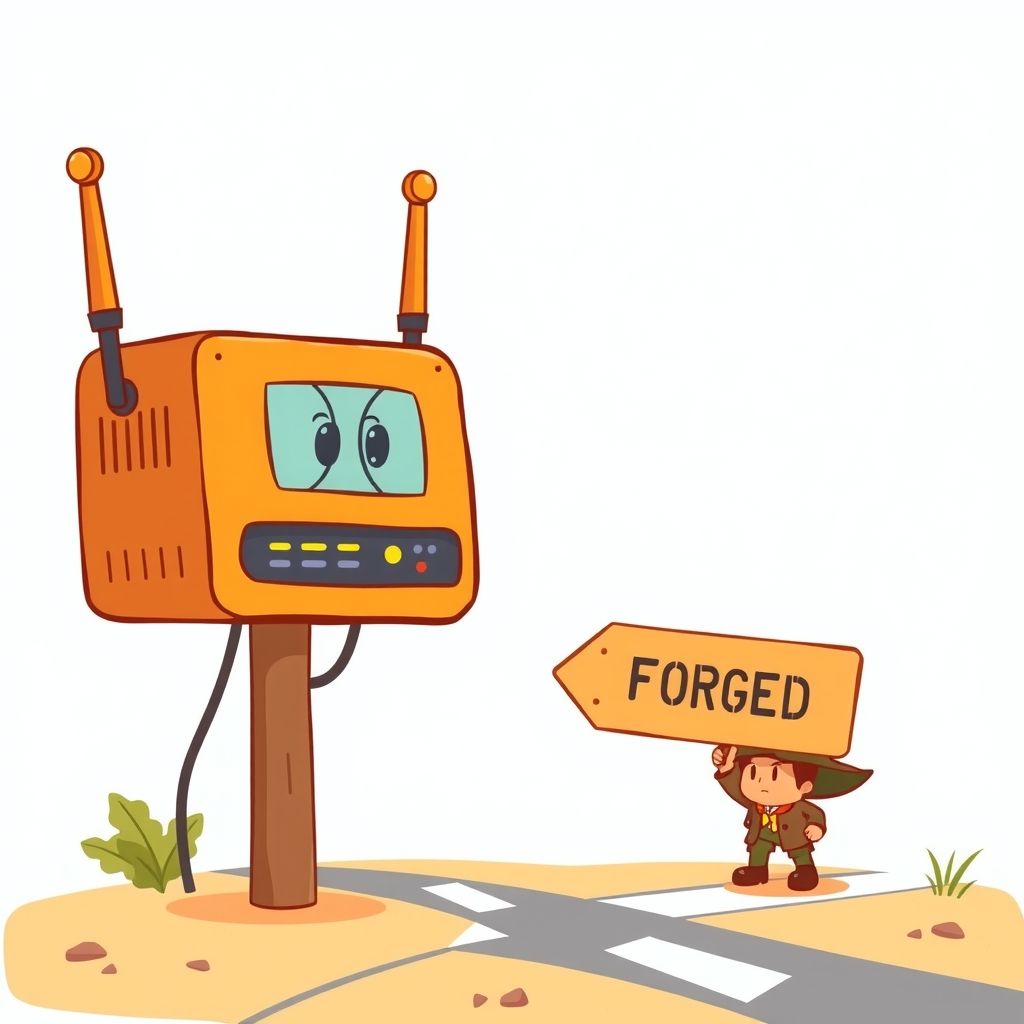
Global RPKI coverage looks like a success story on paper — but a forged-origin technique is letting attackers hijack traffic even on networks that have deployed it correctly.

The tokenized real-world asset market has roughly doubled since the start of 2026, led by tokenized US Treasuries. The growth curve is real — so is the regulatory patchwork underneath it.

MMLU scores can swing 13 points just from reordering answer choices. As leaderboard numbers decouple from real-world performance, procurement teams are building their own private evaluation pipelines instead.

A GDC 2026 demo showed an NPC improvising an unscripted response in real time. The same week, 52% of developers said they view generative AI negatively. Here's why both are true.

Mercedes' G580 EQ gets 20% more range from a silicon-anode pack, and Sila's factory is scaling toward 250 GWh. Here's why the technology is real but still years from your driveway.

Conjunction warnings have tripled since 2020 and Starlink alone maneuvers every two minutes. The 600-900 km band has already crossed Kessler cascade thresholds — and no one owns space traffic control.

California's Delete Request and Opt-Out Platform went live January 1, and full enforcement teeth kicked in August 1. It's the first real test of whether a single opt-out can work against an industry worth hundreds of billions.

Agility's Digit and Figure's 02 are logging real hours at Spanx and BMW, with measurable payback periods. The catch is that the economics only clear for repetitive, structured work.

Hyperscalers are retiring H100s and A100s on 18-36 month cycles instead of the traditional five years, and the specialized recycling infrastructure GPUs need hasn't caught up.

Premiums have dropped for four straight years and fewer victims pay ransoms — but recovery costs hit $1.7 million per incident in 2026. The market is pricing the wrong risk.