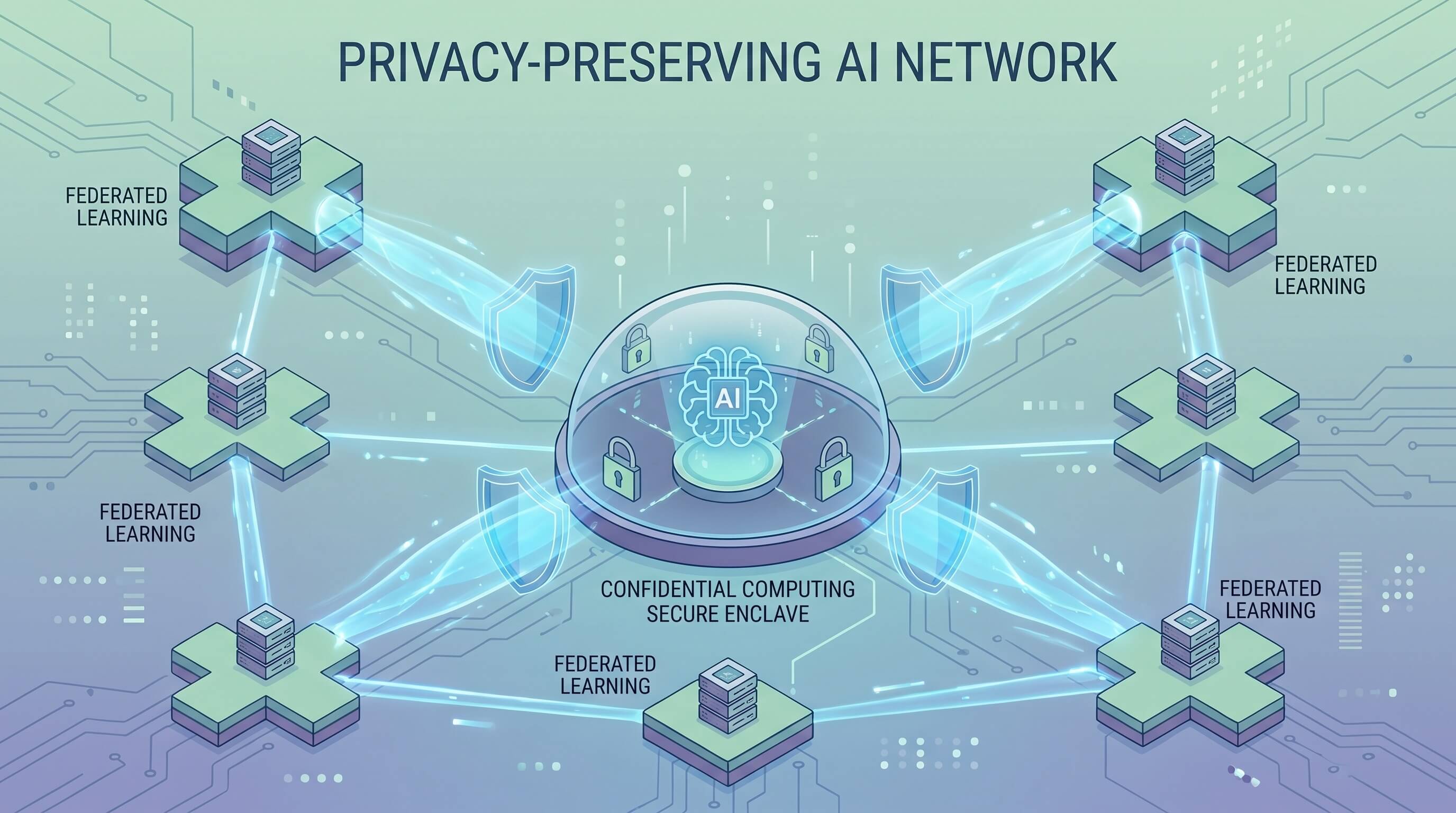
Why Privacy-Preserving AI Is Becoming a Real Product Strategy
Federated learning, confidential computing, and on-device inference are moving privacy-preserving AI from research language into practical product design.
Latest articles on AI, technology, and software development.

Federated learning, confidential computing, and on-device inference are moving privacy-preserving AI from research language into practical product design.

Higher-voltage EV systems are no longer just a luxury talking point. They are becoming a practical way to cut charging time, reduce heat, and improve drivetrain efficiency across modern vehicle platforms.

Humanoid robot demos get the attention, but warehouses are where physical AI is finding a business case, measurable workflows, and a path to scale.

The Steam Deck effect is bigger than one device. Portable PCs are pushing developers toward better scaling, faster saves, cleaner interfaces, and more efficient engines.

The Q1 2026 venture boom was not just another software cycle. Capital is being redirected toward compute, data centers, and the expensive physical systems behind AI.

A new line of materials research suggests future chips may move information with orbital motion instead of brute-force charge, cutting power costs in the process.

Enterprises used to treat multi-CDN as a premium architecture choice. After a year of DNS mishaps, cloud outages, and AI-driven traffic spikes, it is starting to look like table stakes.

Android desktop mode is no longer an enthusiast demo. With connected displays maturing and Samsung aligning more closely with Google's platform, phones are becoming credible secondary computers for a wider group of users.

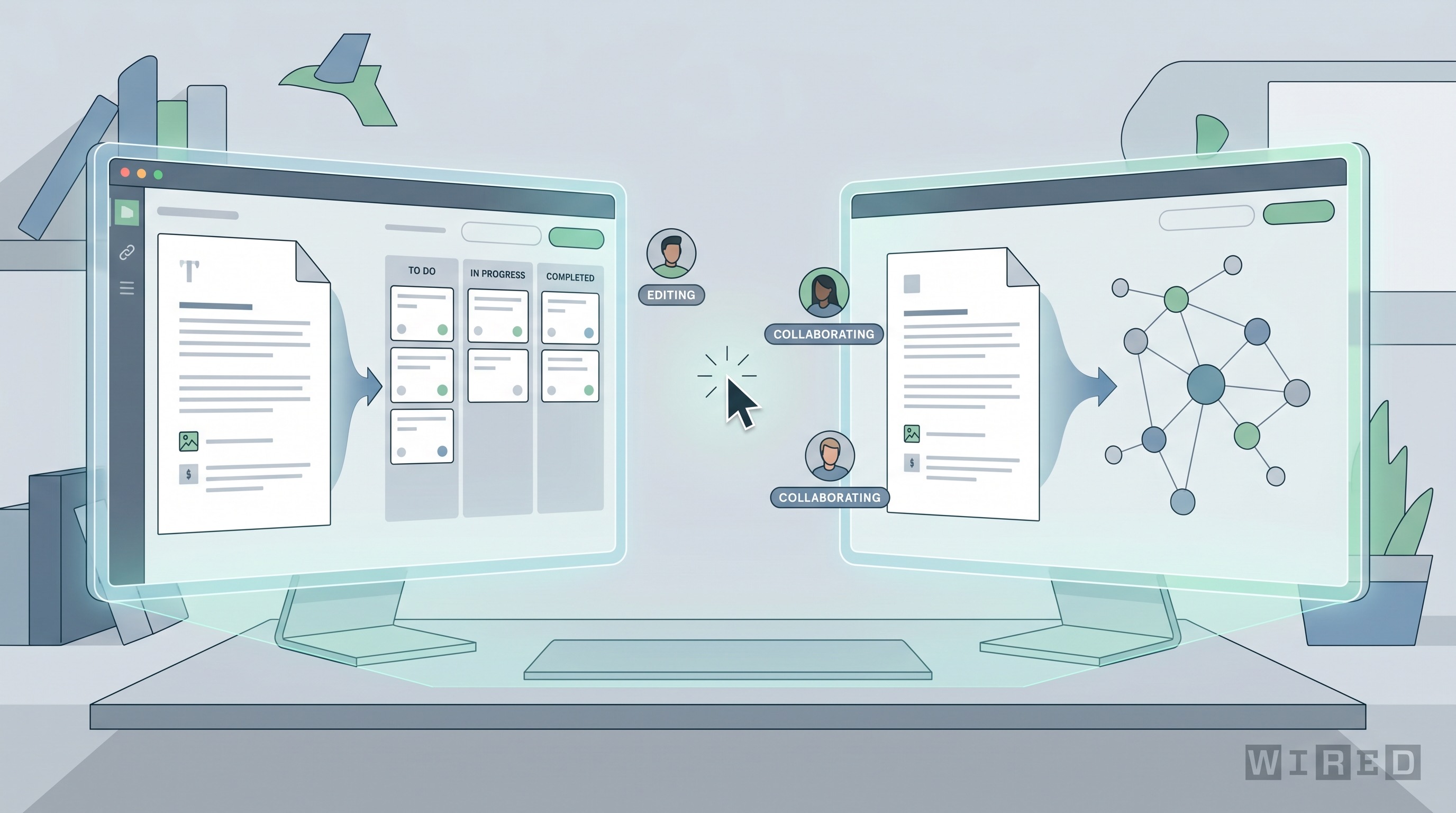
Documents used to be where work was recorded after the fact. AI-native editors from Notion, Google, and Microsoft are turning the document itself into the place where research, coordination, and execution begin.

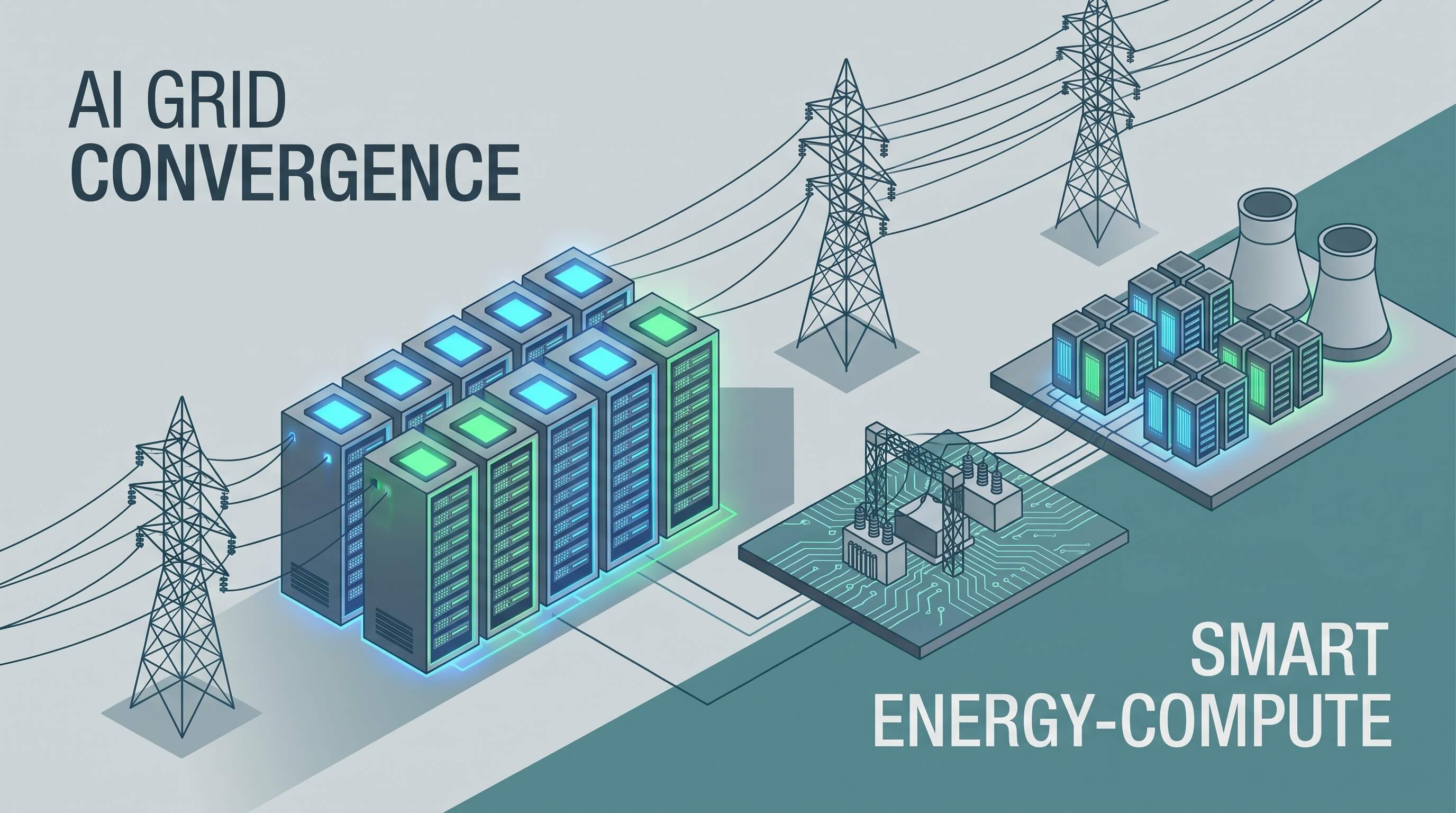
For two years, the AI infrastructure story has centered on GPU scarcity. That bottleneck is still real, but the harder constraint now looks increasingly electrical: power access, transmission upgrades, and grid politics.

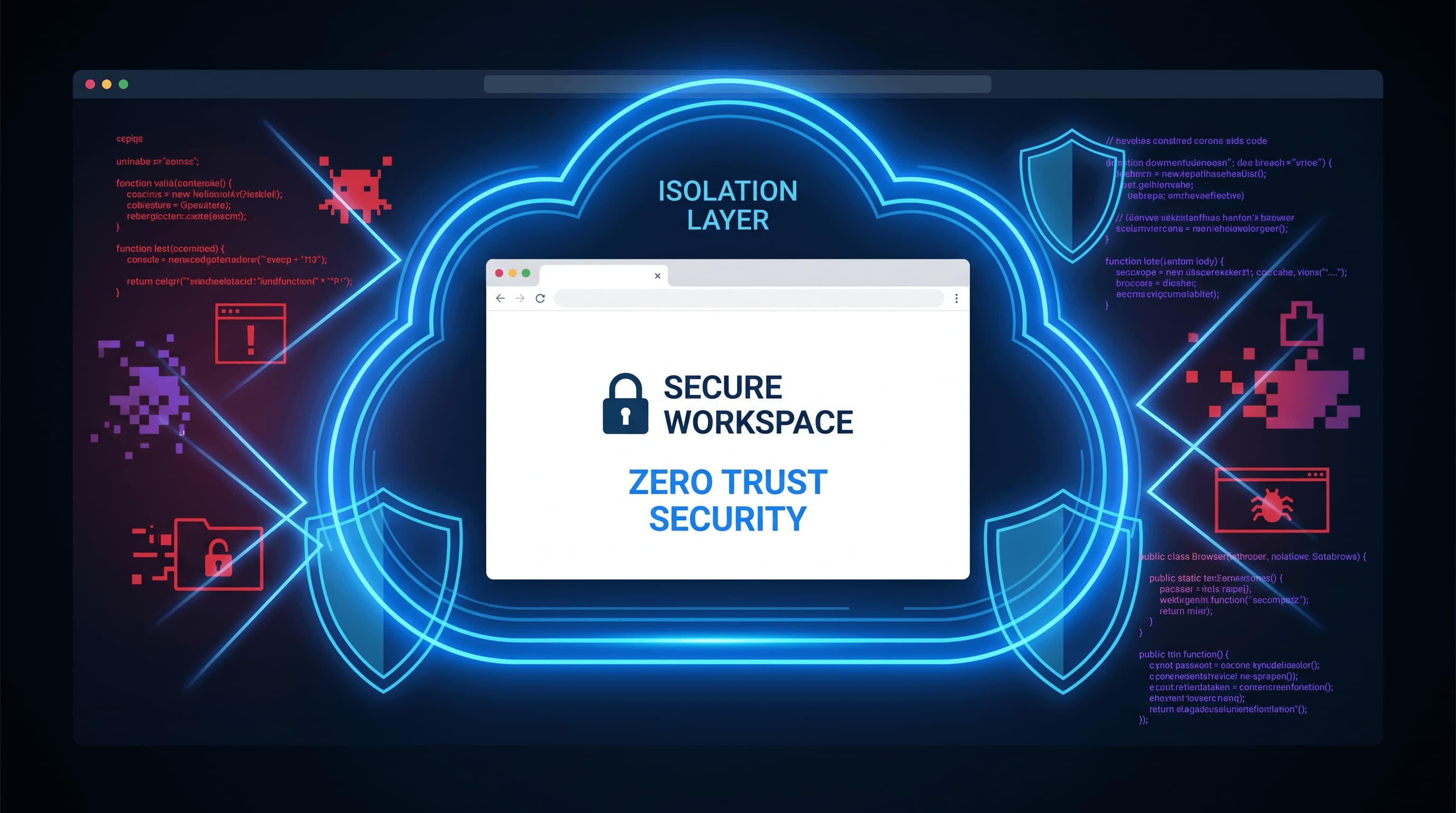
The enterprise browser, once a mere window to the internet, has become the primary workspace for SaaS applications, critical admin consoles, and generative AI tools. This shift has inadvertently transformed the browser into the most practical and crucial enforcement point for Zero Trust security controls, moving beyond traditional network perimeters and endpoint agents.

Crypto wallets are evolving beyond simple key storage. Driven by innovations like Account Abstraction and ENSv2, smart contract wallets are becoming sophisticated identity and permissions layers, fundamentally reshaping how users interact with decentralized applications and digital services. This shift promises enhanced security and flexibility but introduces significant user experience challenges that must be addressed for mainstream adoption.