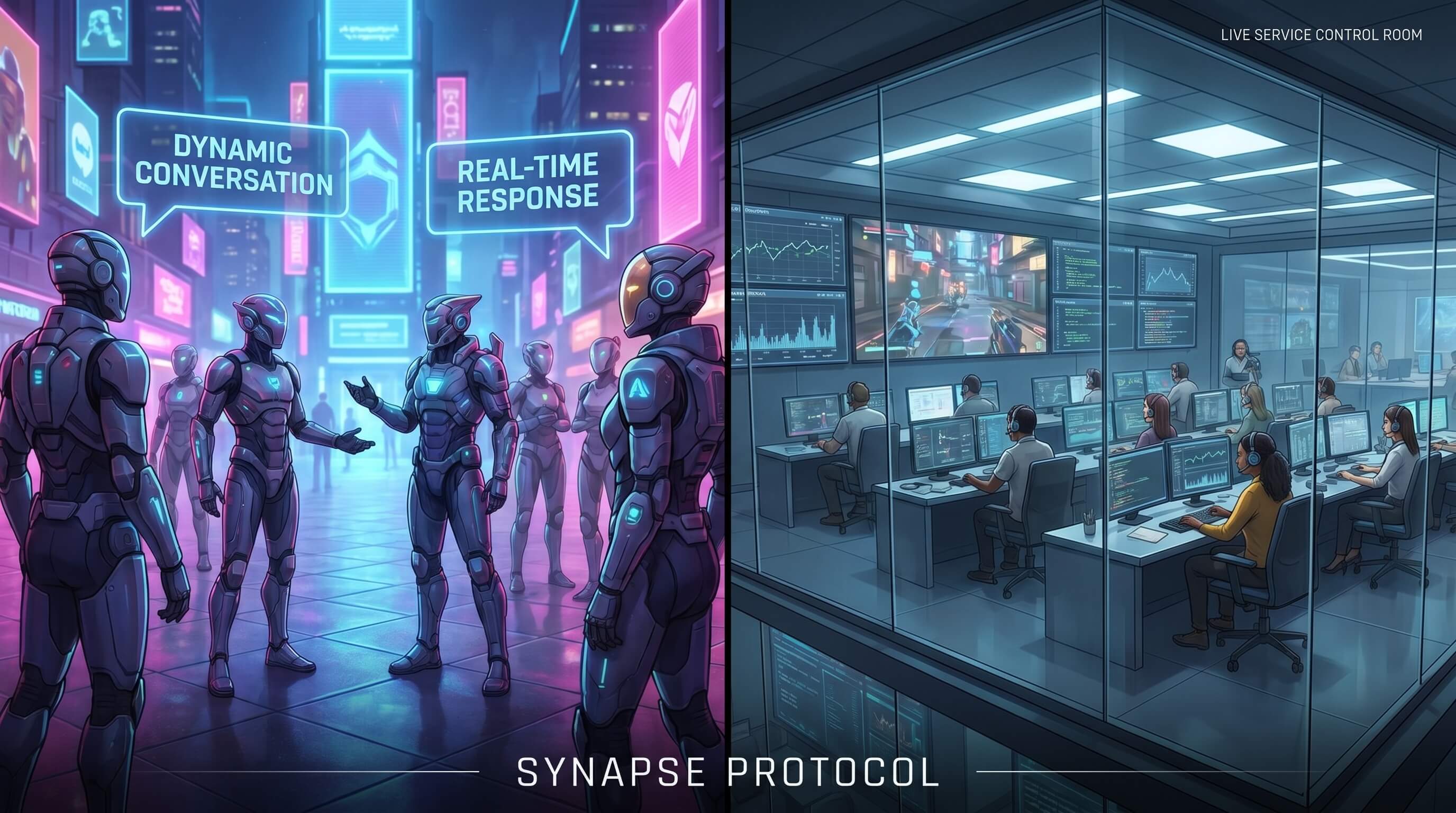
Why AI NPCs Are Becoming a Live-Operations Problem, Not Just a Design Demo
The hardest part of AI-driven NPCs is not making them talk. It is operating them at scale, with latency limits, safety guardrails, lore consistency, and real player behavior.
Latest articles on AI, technology, and software development.

The hardest part of AI-driven NPCs is not making them talk. It is operating them at scale, with latency limits, safety guardrails, lore consistency, and real player behavior.

The AI market still produces giant valuations, but the exit path is changing. For many startups, the realistic outcome is no longer an IPO, but a strategic deal shaped by regulation, compute costs, and talent scarcity.

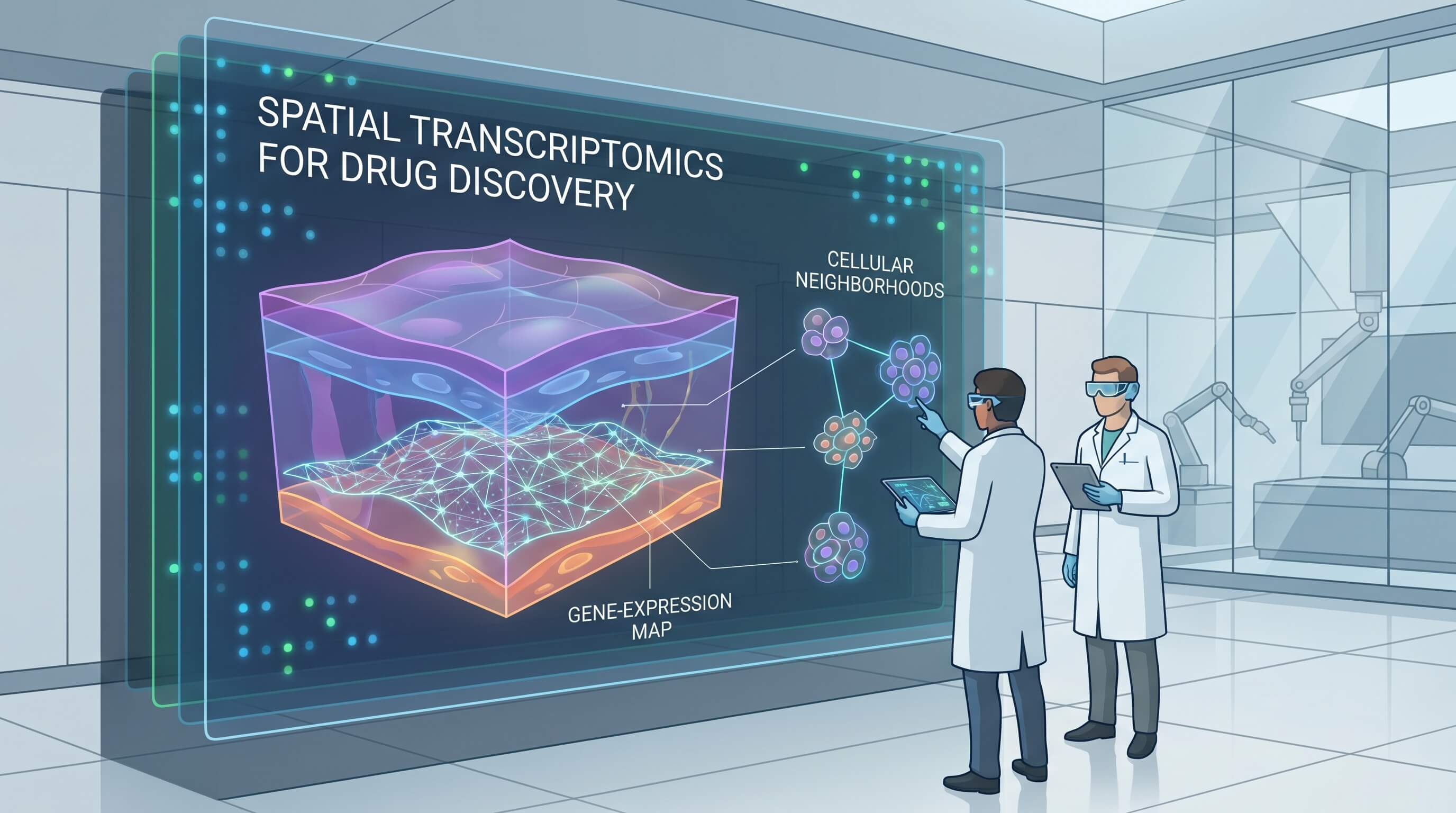
Drug discovery has plenty of molecular data. Spatial transcriptomics matters because it adds location, showing where cells interact and where therapies may actually work.
After years of incremental improvements, silicon-carbon batteries are finally delivering a tangible upgrade to smartphone users. By blending silicon with carbon in the anode, this new chemistry dramatically boosts energy density, allowing for longer battery life, thinner designs, or a powerful combination of both in the latest mobile devices.

AI meeting assistants are rapidly evolving beyond simple transcription, becoming a critical new software layer that transforms unstructured meeting data into structured, actionable workflow input across various enterprise applications. This shift promises to redefine collaboration, accountability, and knowledge retrieval, though it also brings important considerations around privacy and data quality.

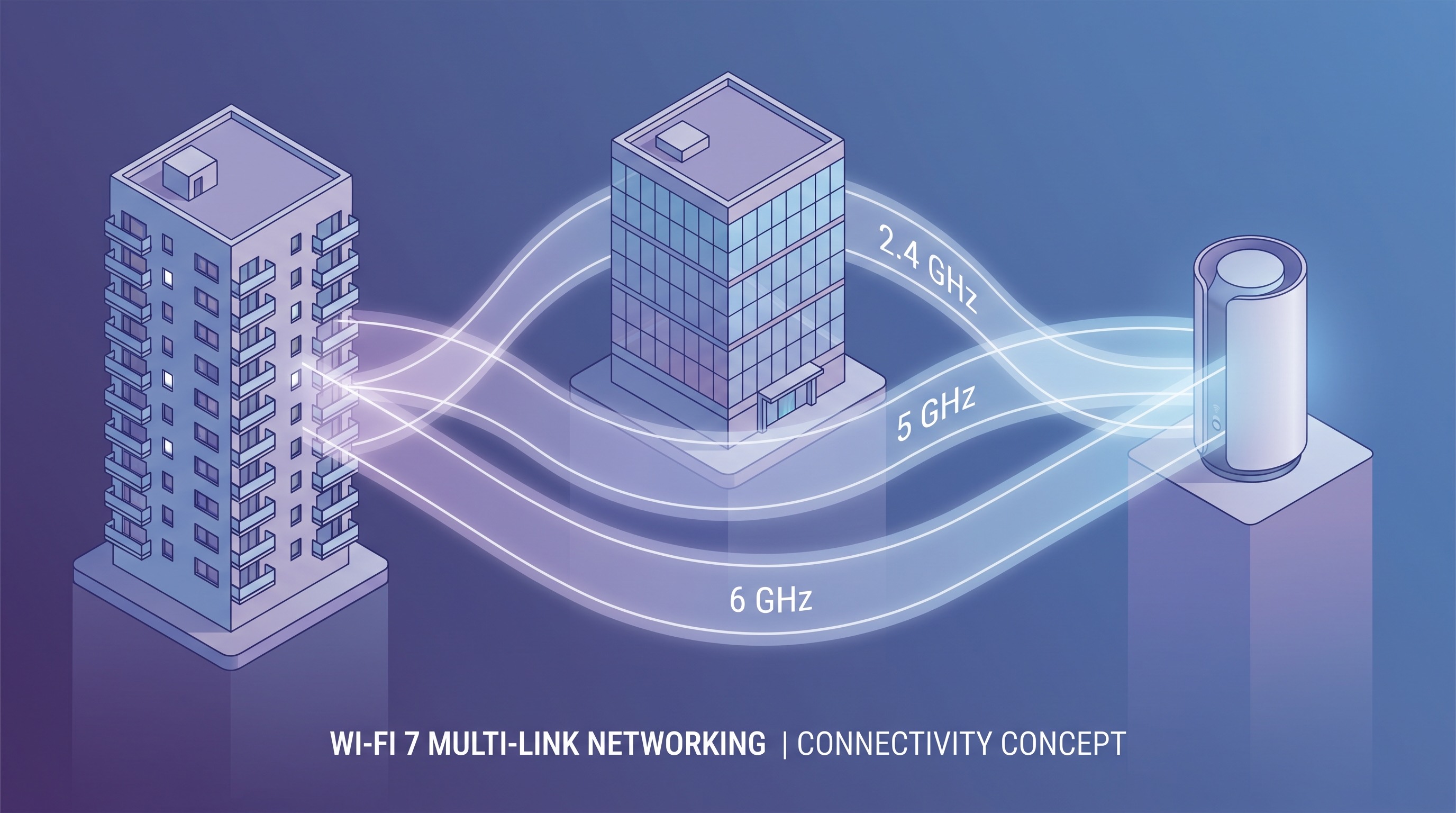
Wi-Fi 7 introduces Multi-Link Operation (MLO), a feature poised to transform our wireless experience by enabling devices to use multiple frequency bands simultaneously, promising a future of unprecedented network reliability and consistency.

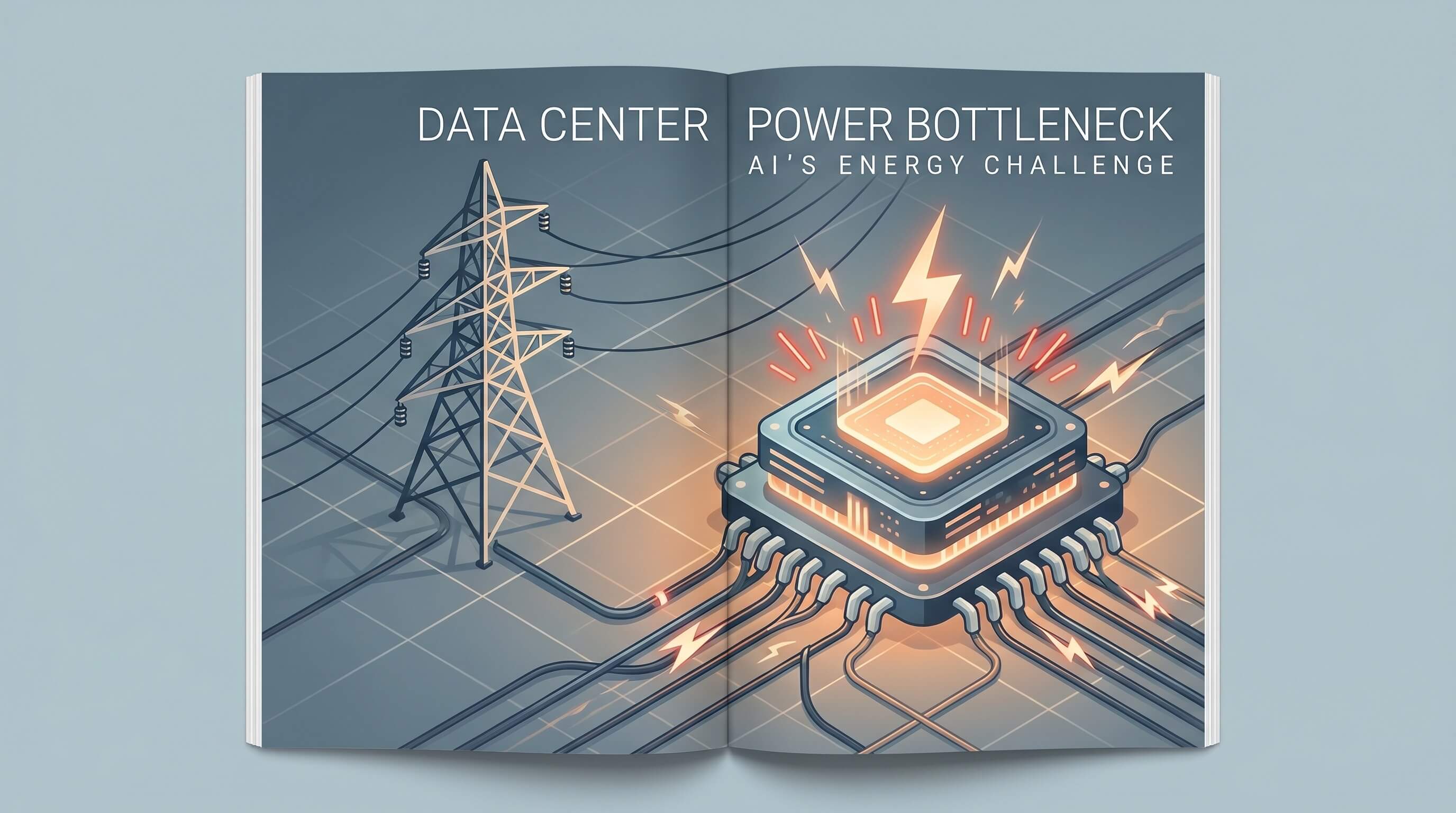
For years, the tech industry's narrative centered on breakthroughs in chips and software models. Today, a more fundamental challenge is emerging: the sheer availability of electrical power, transforming it into the ultimate bottleneck for the future of digital innovation and AI.

In an era of complex software supply chains, simply patching vulnerabilities is no longer enough. Understanding where your software came from, how it was built, and whether its outputs can be trusted is now fundamental to a robust security posture.

While Wi-Fi and Bluetooth grab headlines, Ultra-Wideband (UWB) is quietly emerging as a critical technology for the smart home, offering unprecedented precision in location and direction. This short-range radio promises to transform how we interact with our connected devices, making our homes more intuitive and secure.

While the crypto world often fixates on speculative assets, a more profound shift is quietly underway: the emergence of tokenized cash-like assets and Treasury-backed products. This development aims to bring real-world financial efficiency and yield onto the blockchain, potentially reshaping how businesses manage their finances.

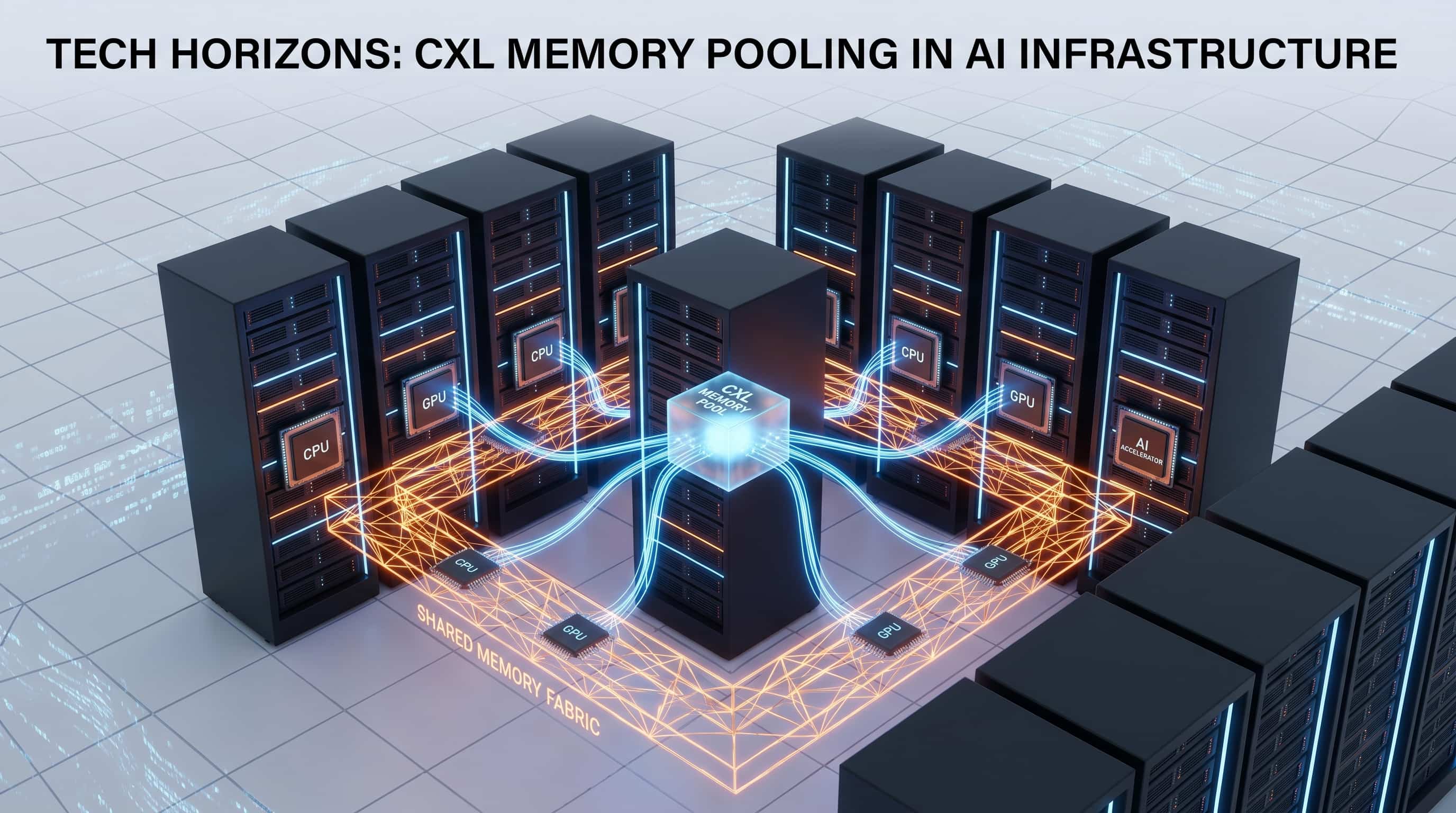
As AI models grow ever larger, traditional server architectures struggle to keep pace with their insatiable memory demands. Compute Express Link (CXL) memory pooling emerges as a transformative technology, promising to unlock unprecedented flexibility and efficiency in AI data centers.

Synthetic data is rapidly transitioning from a niche concept to a practical necessity for enterprises deploying AI. It offers a powerful solution to critical challenges like data privacy, scarcity, and the need to simulate rare, complex scenarios for robust AI training and testing.